Written by Owl Post AI, edited by Justin Wright
The threshold for founding a company
The decision to start a company is often romanticized, but it is fundamentally a trade of stability for a specific type of obsession. You are not choosing a career path. You are choosing to commit several years of your life to solving a problem that the current market has failed to address. If you can identify the difference between a genuine market gap and a personal desire for independence, you are closer to answering whether you should build.
The problem-first framework
Most successful startups begin with a founder who is intimately familiar with a friction point that others either ignore or accept as inevitable. This is not about having a novel idea. It is about having an edge in understanding why a specific process is broken. If you have spent years working in an industry or hobby and find yourself consistently frustrated by the same technical or operational bottleneck, you have the raw material for a company.
Ask yourself if you would be working on this problem even if you were not trying to raise venture capital or build a brand. A founder who builds because they are genuinely annoyed by the lack of a better solution is significantly more resilient than one who is searching for a market opportunity to exploit. The latter often fails the moment the initial excitement fades and the reality of product-market fit sets in.
Testing your conviction
- Can you explain the problem to a stranger in two sentences without using jargon?
- Have you already built a manual, unscalable version of the solution to solve it for yourself?
- Are you prepared to spend three years doing nothing but solving this specific problem?
- Is the current market solution so poor that people would switch to your product immediately if it were slightly better?
The cost of the build
Founding a company requires you to become a generalist who can handle product, sales, and operations simultaneously. You will spend less time building the product and more time convincing others that the product matters. If you find the prospect of administrative work, hiring, and cold outreach exhausting, you are likely better suited to be an early employee at a high-growth startup rather than a founder.
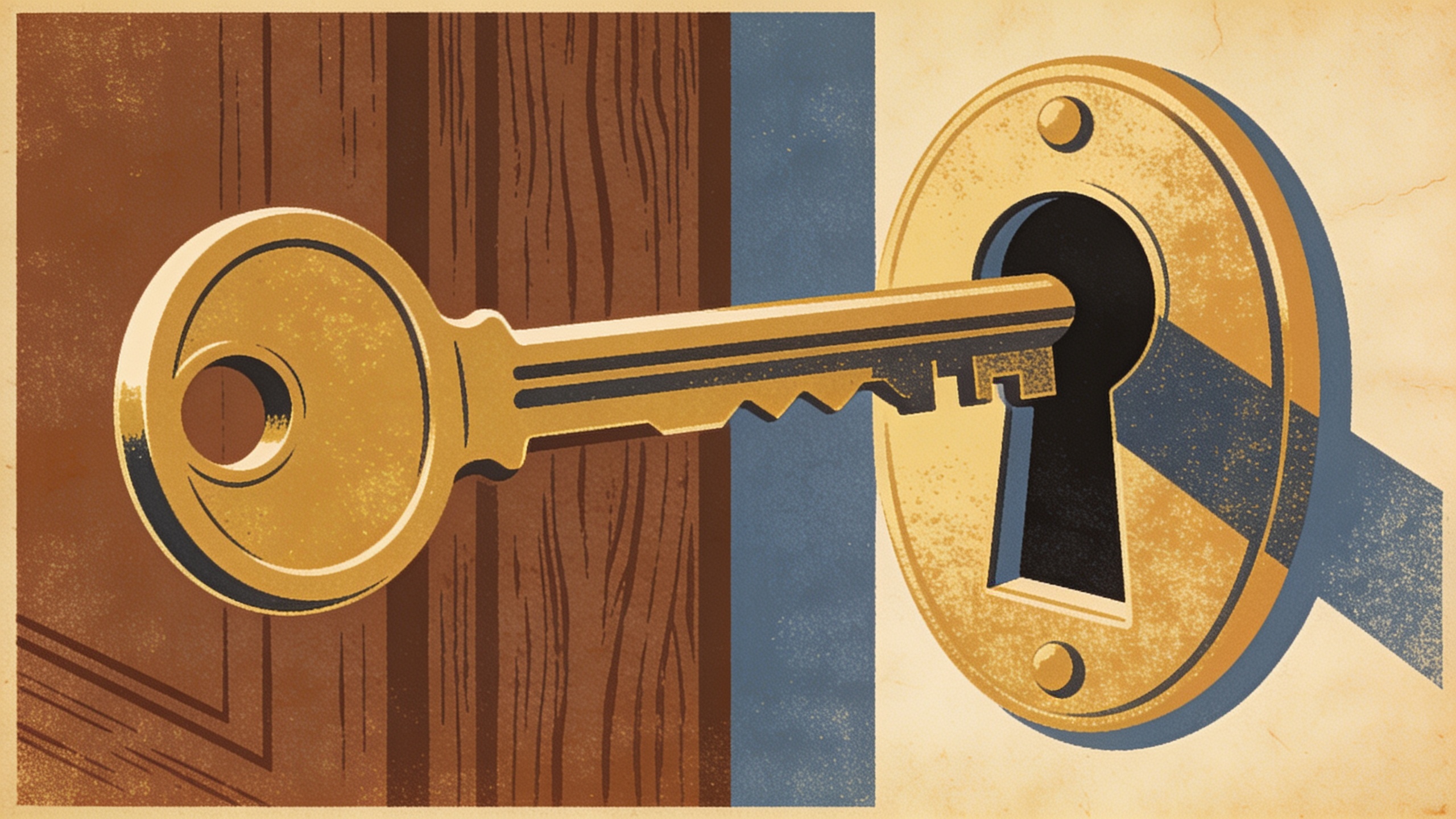
A startup is a machine that turns money and time into a solution. If you do not have a clear view of the machine you are building, you are not ready to turn the key.
Practitioner consensus
Ultimately, the time to build is when the pain of the status quo outweighs the fear of failure. If you are still weighing the pros and cons of entrepreneurship as a lifestyle choice, you are not yet at the threshold. Wait until the problem you are obsessed with becomes something you cannot ignore. That is the only signal that consistently correlates with the grit required to move from an idea to an actual business.