Apple releases HomeView smart home hub with screen as showcase for Siri AI
The iPhone maker also announced the new Apple TV 4K and HomePod Mini.
cnbc.com
Technology
Big tech, product launches, and industry shifts
Big tech moves on a different timescale than the news cycle wants you to believe. What looks like a product launch is usually the public surface of an organizational bet made eighteen months earlier.
Owl Post reads technology news with a bias toward the structural rather than the theatrical. Leadership changes matter when they signal strategic pivots. Antitrust filings matter when they constrain platform behavior. An SDK update buried in a developer blog can matter more than a keynote. A quiet line in a quarterly earnings call can tell you more about where a company is heading than any press release. That kind of signal is what this digest is built to surface.
The beat covers the major platforms (Apple, Google, Microsoft, Meta, Amazon), the infrastructure players that underpin most of the modern internet, the regulatory environment taking shape in Washington and Brussels, and the product shifts that change what people actually use. Owl Post reads across hundreds of publications, developer communities, and regulatory filings, and brings the stories that pass a genuine so-what test.
Your digest adapts to how you like to process this stuff. If you want headlines stripped to what matters with no ceremony, it can read that way. If you want the strategic angle spelled out, including why a platform move matters to adjacent industries, that framing is available too. The curation is the same either way.
A focused technology digest every weekday morning. No press releases dressed up as reporting, no product launches treated as news unless they actually are. The tech beat is consequential enough to deserve better coverage than it usually gets.
The iPhone maker also announced the new Apple TV 4K and HomePod Mini.

Apple debuted its latest Apple TV 4K - its first in four years - and it'll be available starting Friday, November 13th. It's powerful, with the A19 chip (the now-discontinued 2022 model has the A15 Bionic), and it features better wireless connectivity than its predecessor, too. Siri AI is a big part of this rollout, though it'll work in beta on the second-gen Apple TV 4K models and newer. The new Find My tracking feature works with the second-gen Siri remote and newer. It's not cheap, costing $299 (twice the original cost of the 2022 Apple TV 4K, until it rose to $249 a few months ago), but those who've been waiting a while for a new versio … Read the full story at The Verge.
Grouped from 2 reports across outletsHow Owl Post groups coverage
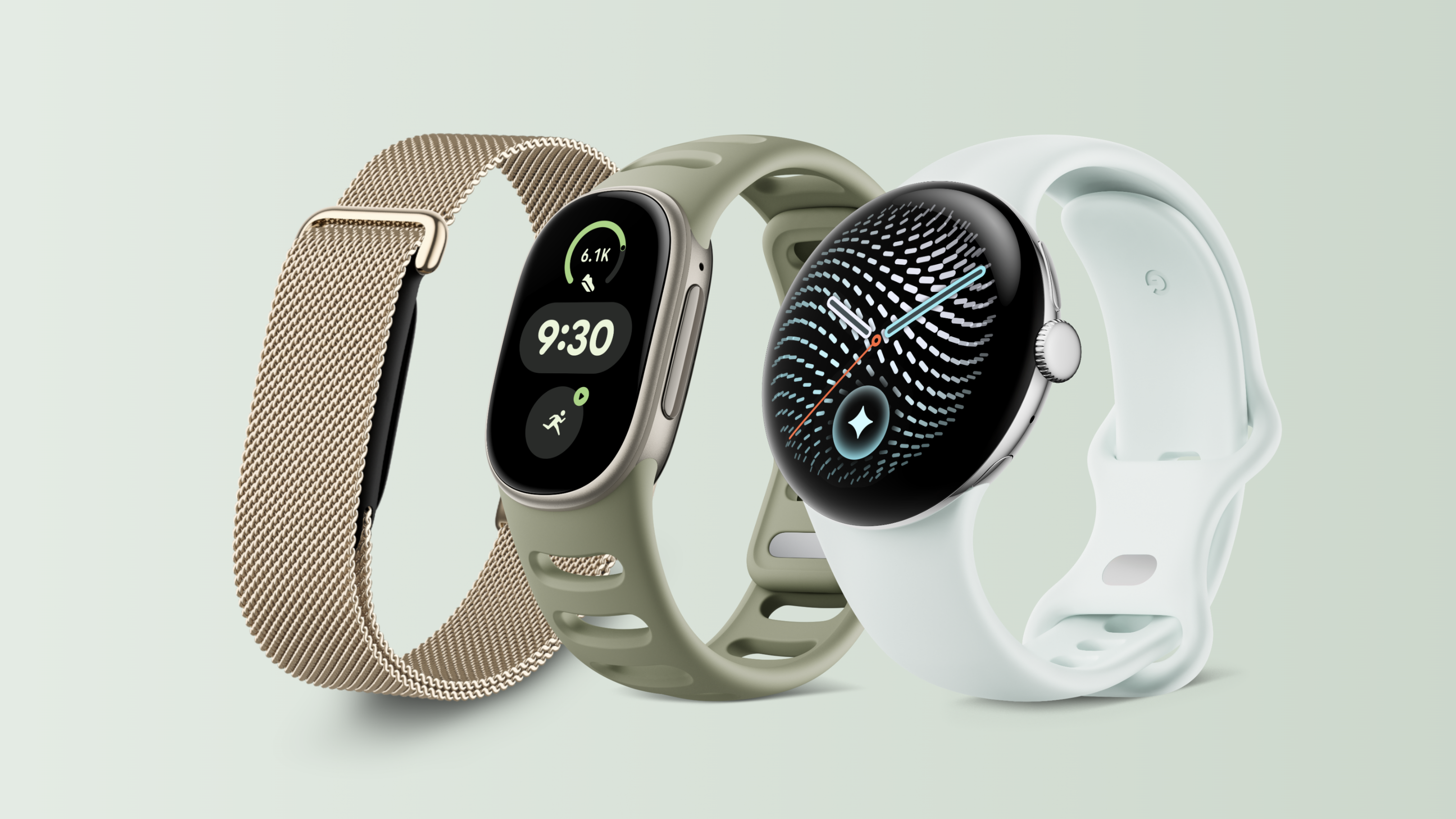
The Fitbit Edge offers more than the Air, but it's not a real smartwatch.
Also covered by
Owl Post delivers a personalized technology digest every morning, curated by AI, written in your voice.
Get your free digest