Featured
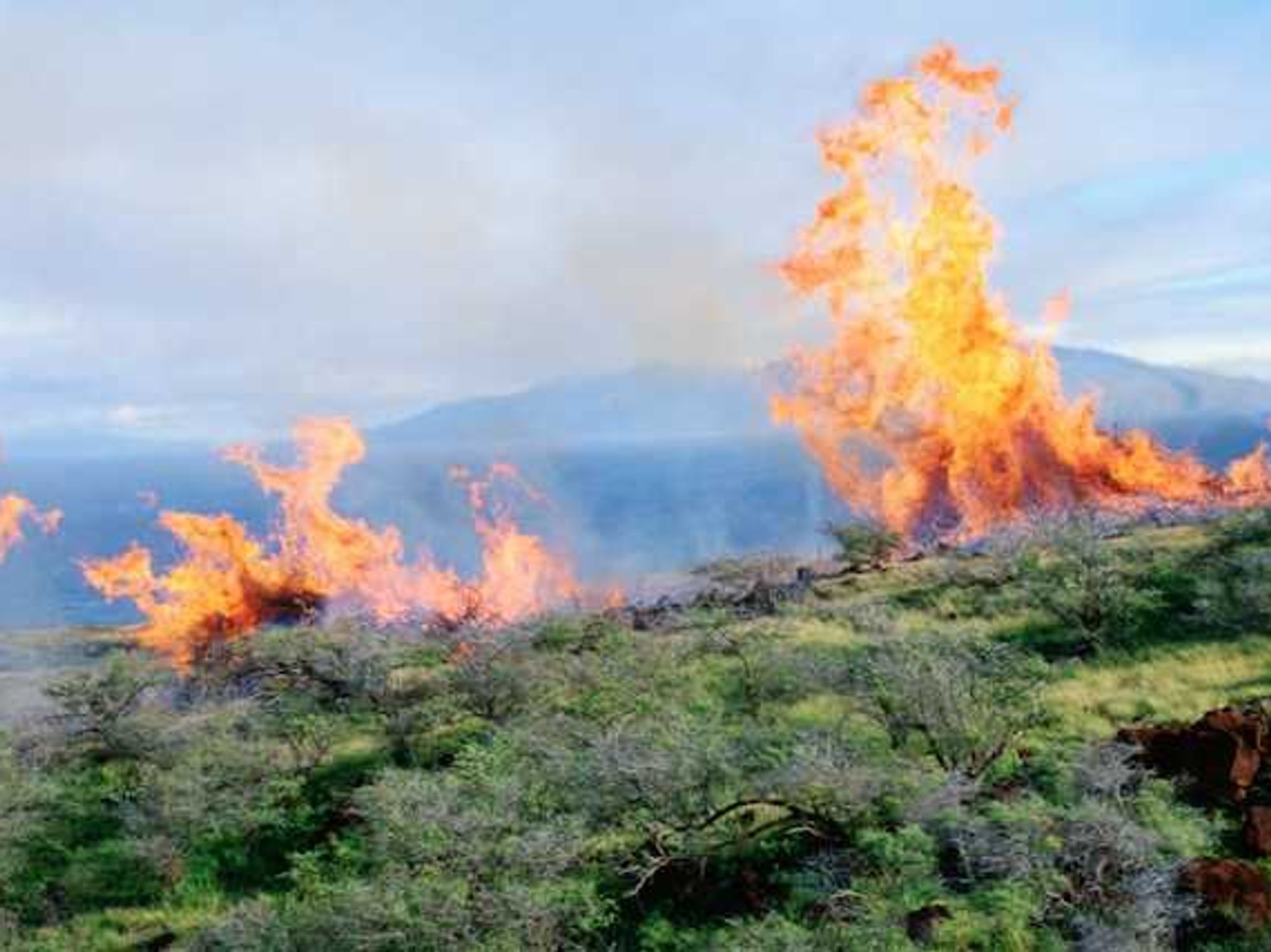
Wildfire smoke evolves as it drifts from wilderness to city
Faced with a warmer, smokier future, scientists work to understand the environmental and health risks of aged wildfire plumes.
cen.acs.org
Culture & More
The transition, the science, and what's actually working
Climate coverage swings between existential panic and greenwashing puff pieces. The actual energy transition story, the one with the interesting technical and economic details, tends to get less coverage than either pole.
Owl Post reads climate and energy with attention to what is actually changing in the physical infrastructure of energy production and consumption. Battery costs falling faster than analysts projected. Grid-scale storage crossing adoption thresholds. Geothermal drilling technology improving. Offshore wind permitting finally moving. These are not feel-good stories or alarm stories. They are infrastructure stories with economic and policy dimensions, and they require reading across energy journalism, climate science, and financial analysis to follow properly.
The beat covers the energy transition (solar, wind, storage, grid infrastructure, and the policy environment shaping investment), fossil fuel markets and the geopolitics around them, climate science and the evolving understanding of risk timelines, industrial decarbonization in the hard-to-abate sectors, and the political economy of climate legislation and international agreements. Owl Post reads energy-sector publications, climate research institutions, and the policy trackers following what governments are actually committing capital to.
Your digest adapts to how you engage with this material. If you want the longer-horizon, what-does-this-mean-for-the-future framing that puts individual developments in the context of the broader transition, it reads that way. If you want the realist, policy-and-economics frame that focuses on what is actually happening rather than what should happen, that register works too.
A daily climate and energy digest. The transition as it is actually happening, not as it is being marketed.
Redwoods adapted to a cool, foggy climate. Now a new study shows they slow down photosynthesis when their environment warms.
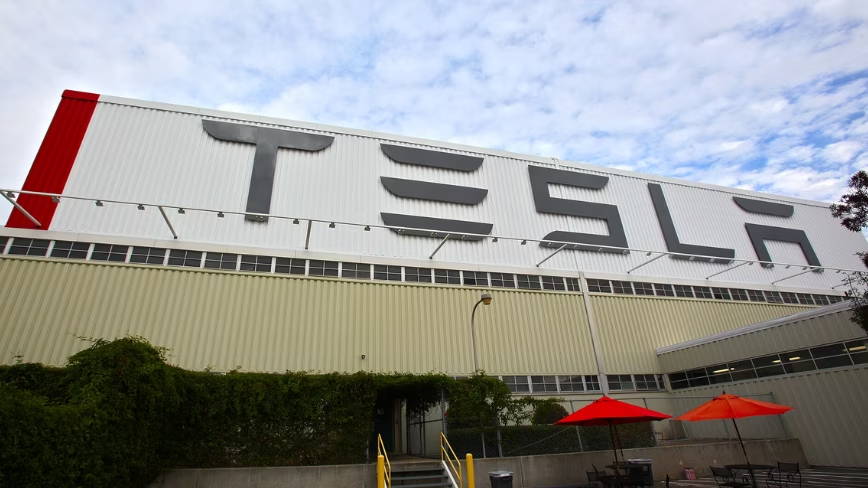
Parents at an elementary school next to Tesla’s Fremont car plant want more time to question a plan that could raise emissions from the factory, Matthew Brown reported for SFGate. Lila Bringhurst Elementary sits less than 1,000 feet from the plant. Tesla has applied to change emission limits on two aluminium melting furnaces and add new […] This story continues at The Next Web
Owl Post delivers a personalized climate & energy digest every morning, curated by AI, written in your voice.
Get your free digest