Featured
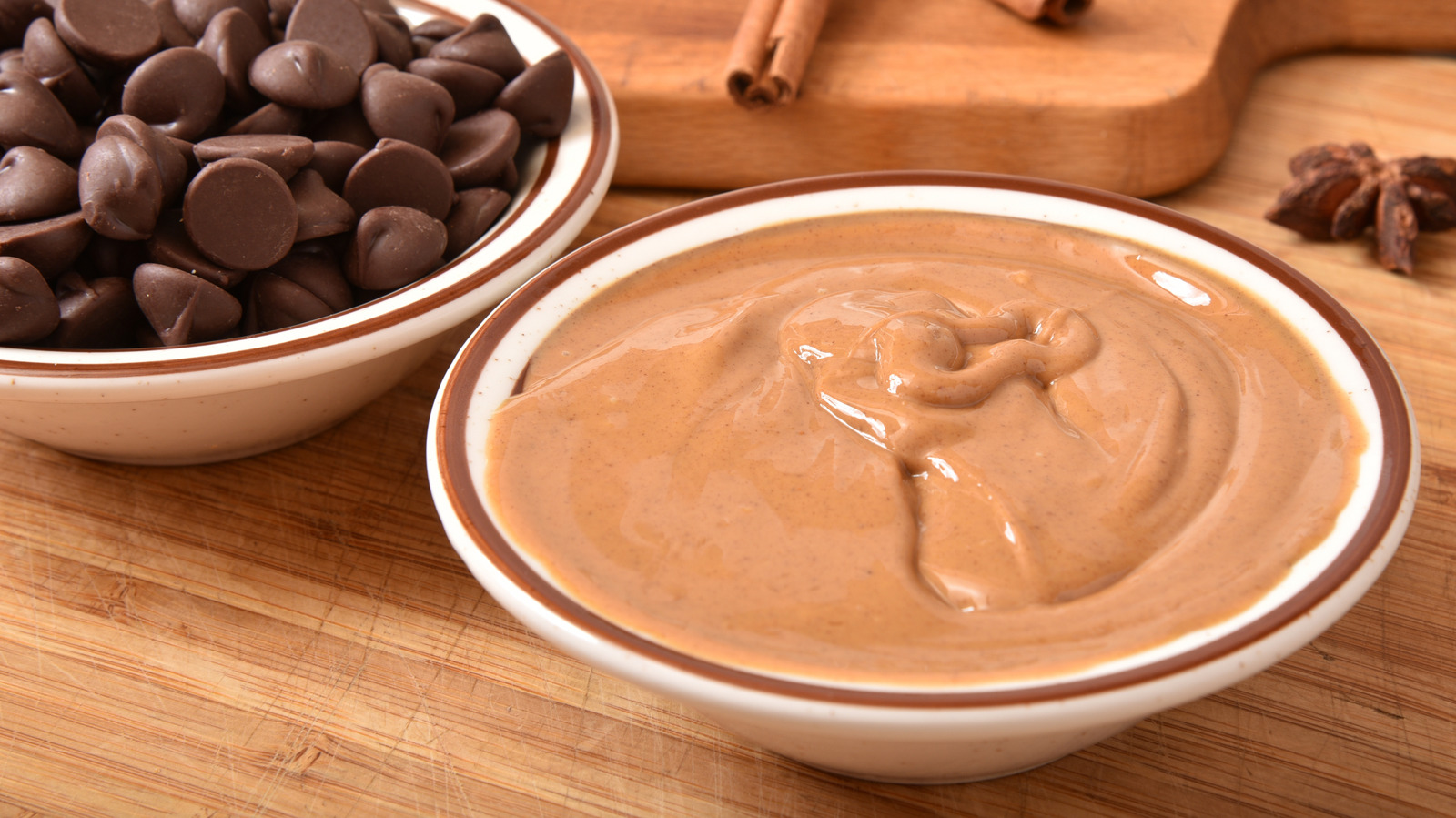
Mix These 2 Pantry Staples To Make Vanilla Ice Cream Taste Luxurious
Vanilla ice cream is about as simple as it gets, and that's the beauty of it - but these two pantry ingredients will make it taste luxurious.
tastingtable.com

Lifestyle
Recipes, restaurant culture, and culinary trends
Food media runs on two tracks that rarely intersect: the recipe-content treadmill optimized for search, and the restaurant-world coverage that assumes you are already a regular. The genuinely interesting territory sits between them.
Owl Post covers food with attention to technique (the cooking methods and ingredient approaches that actually change what you can do in a kitchen), restaurant culture (the openings, closings, chefs, and trends that matter beyond the hype cycle), culinary history and regional traditions (the stories that explain why cuisines taste the way they do), and the food system itself (agriculture, supply chains, food policy, and the economics of how food gets made and sold). This is the food coverage you read because it is interesting, not just because you need a recipe.
The sourcing spans serious food publications, restaurant critics who have developed a genuine point of view, food scientists explaining technique, and the writers covering the agricultural and policy dimensions of how food works. Owl Post reads across all of it and surfaces what is worth your attention this week.
Your digest adapts to what you want from food coverage. If you want the narrative, storytelling register that conveys why a dish or a culinary tradition is interesting as culture, that framing is available. If you want the technique-first approach that explains the why behind cooking methods, that works too. Same stories, your appetite.
A focused food and cooking digest each morning. Technique, restaurant culture, and the food world's most interesting conversations, curated for people who care about what they eat and how it gets made, not just what is trending this week.
This isn’t competing with a brownie. It’s in a class of its own.

If you have a hankering for a breakfast sandwich that's outside of the standard bread, cheese, egg, and meat, then you might want to give these a try.
Owl Post delivers a personalized food & cooking digest every morning, curated by AI, written in your voice.
Get your free digest